
TL;DR
- A realistic website redesign timeline ranges from four weeks for a small site with a clear brief to twelve or more weeks for a large site with a full rebrand and complex requirements.
- The phases that take longer than people expect are discovery and design, not development. Development is often faster than the design process that precedes it.
- The most common causes of delays are: client feedback that comes back late, design decisions that are not finalised before development starts, and content that is not ready when the build phase begins.
- This post gives real timelines by project size and explains what each phase involves and where projects typically slow down.
Every agency will tell you their projects are fast and on time. Ask them for actual timelines broken down by phase and you get a very different conversation.
Here is an honest breakdown of how long a website redesign realistically takes, what each phase involves, and where the time actually goes.
Small business site redesign: four to six weeks
A small site redesign in this context means five to ten pages, an existing brand identity that is being carried over, no complex integrations, and a client who can provide content and feedback promptly.
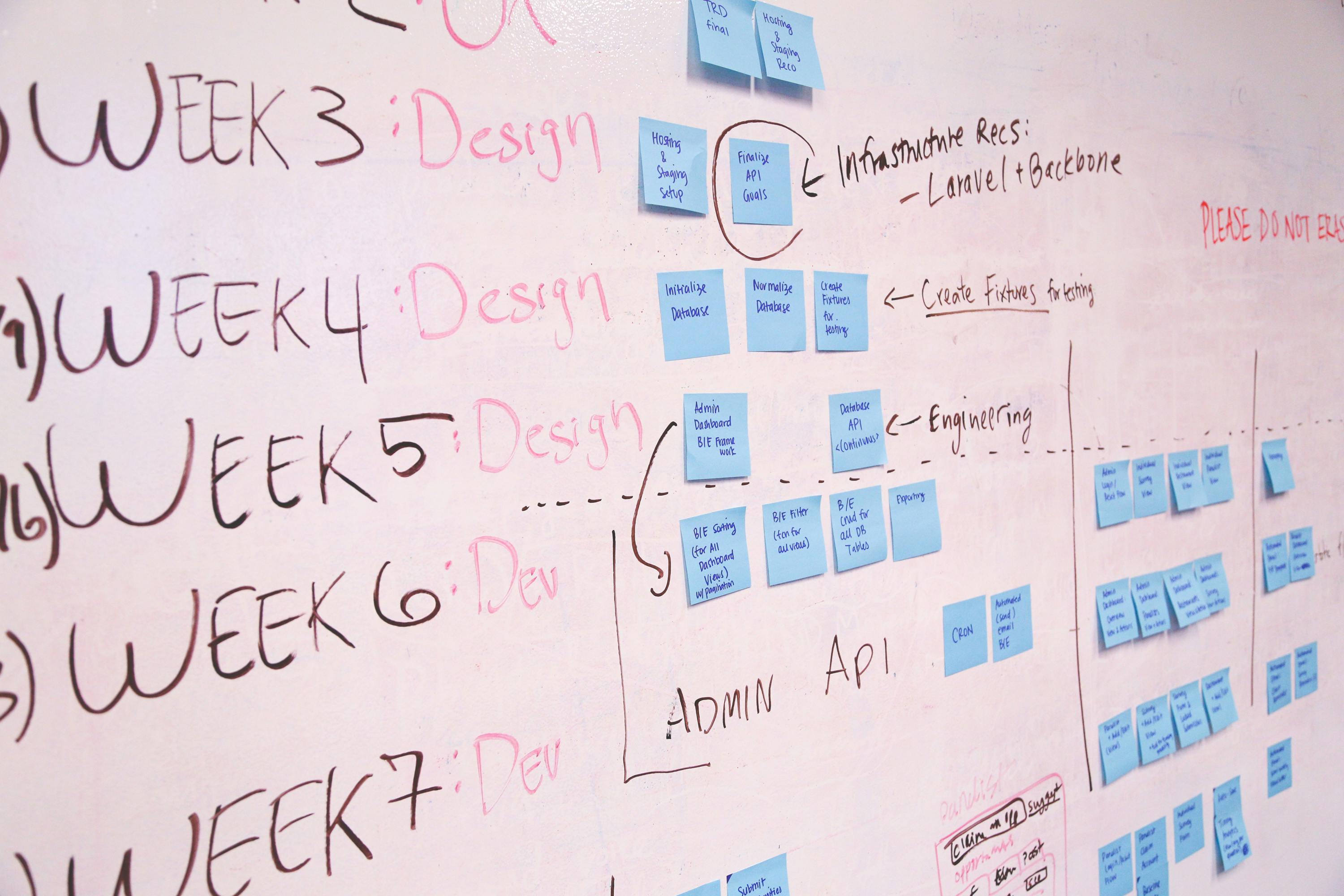
Week one is discovery: reviewing the current site, understanding goals, agreeing the sitemap, and completing a brief. Week two and three are design: wireframes for key pages, a visual design round, a feedback round, and final sign-off on design before development begins. Week four and five are development: building the site, setting up CMS, configuring SEO foundations. Week six is testing, review, and launch.
This timeline assumes one focused feedback round per design stage. If feedback takes a week to come back at each stage, add a week at each stage.
Mid-sized site redesign: seven to ten weeks
A mid-sized redesign has ten to twenty pages, possibly a rebrand alongside the site redesign, some CMS content types, and may include a few third-party integrations.
The additional time goes into the design phase, which requires more pages to be designed and more review rounds, and into the development phase, which has more to build and test. The discovery phase also takes more time when the site has a larger content architecture to think through.
The rebrand element is a significant addition. If brand identity work is happening alongside the website, it should be sequenced so the brand guidelines are complete before visual design for the site begins. Trying to design a website while the brand is still being defined leads to expensive rework.
Large or complex site redesign: ten to sixteen weeks
A large site with twenty or more pages, an extensive blog or content library to migrate, complex CMS architecture, multiple stakeholders requiring approval, and significant custom interactions or integrations should be planned at ten to sixteen weeks minimum.
At this scale, the project management overhead is real. Keeping multiple stakeholders aligned, managing content migration, and coordinating development and testing across a large page count all add time that smaller projects do not have.
What actually causes delays
In almost every project that runs over timeline, one of three things is responsible.
Feedback that arrives late or is incomplete. Every design review stage has a clock on it. When client feedback takes two weeks to come back instead of three days, the project slips by eleven days. Over two or three review rounds, that adds up to a month of slippage. Build feedback deadlines into the project plan and treat them with the same seriousness as the agency's delivery deadlines.
Design decisions that are not made before development starts. When layout changes, copywriting changes, or new pages are added after development has begun, rework is required. The design phase exists precisely to make and resolve these decisions before any code is written. Skipping proper design review to speed up the project always results in slower development.
Content that is not ready. A website cannot launch without content. If your copywriting is not finished, your photography is not selected, and your case study approvals are not obtained before the development phase ends, the launch date slips. Content is almost always the client's responsibility and almost always the last thing that is ready. Start it earlier than you think you need to.
Questions to ask an agency about timeline
How many weeks do you typically spend on discovery, design, and development separately? This reveals whether the agency has a real process or just a total timeline number. What are the review stages and how long does each one take? How many days do we have to provide feedback at each stage? What happens if our feedback is late? What is the last possible date for content to be delivered to hit the launch date?
For a broader look at what to ask before hiring an agency, read our post on how to not get burned by a web design agency. And if you want a realistic timeline estimate for your specific project, get in touch and we will give you one.