TL;DR
- Traffic without conversions is almost always a design and messaging problem, not a traffic problem. Getting more visitors to a site that does not convert just scales the failure.
- The most common causes are unclear value propositions, weak or missing calls to action, poor mobile experience, slow load times, and a lack of trust signals.
- Most conversion problems can be diagnosed without specialist tools using just your own eyes, a phone, and Google Analytics.
- This post gives a practical framework for finding out exactly which of these problems your site has and what to do about each one.
You have traffic. The site is getting visitors. People are finding you. But the contact form sits empty and the phone does not ring.
This is one of the most frustrating positions a business owner can be in, because it feels like everything is working except the part that actually matters. You might even be wondering whether to spend more on ads to drive more traffic, which would be exactly the wrong move.
More traffic to a site that does not convert is not a solution. It is just a more expensive version of the same problem. What you need to fix is the conversion rate, not the volume.
Start here: what your analytics are actually telling you
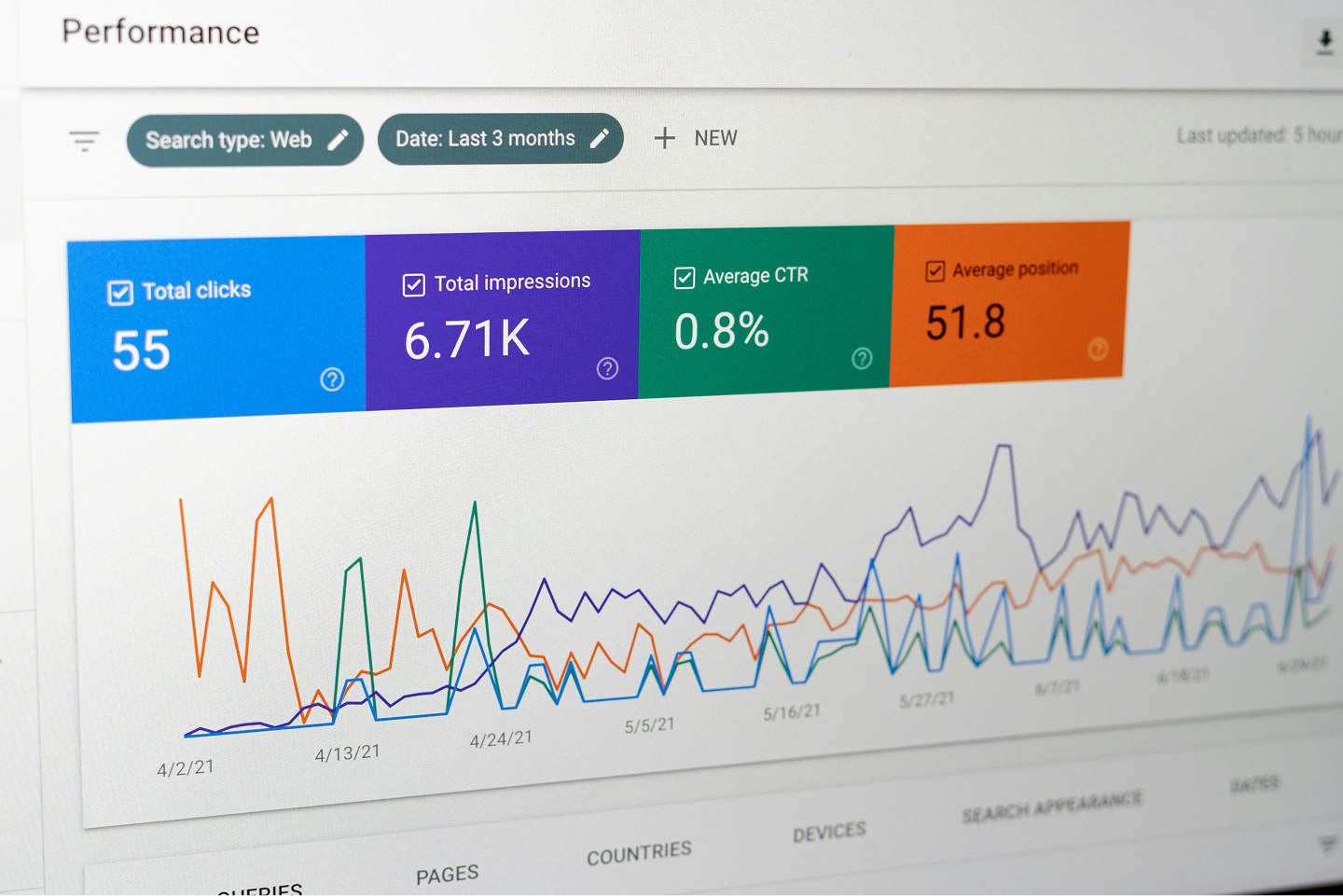
Before diagnosing anything specific, spend fifteen minutes in Google Analytics or whatever analytics tool you use.
Find your bounce rate by page. Which pages are people landing on and then immediately leaving? Those are your conversion failure points. A high bounce rate on your homepage or a key service page tells you that visitors are not finding what they expected or needed.
Find your contact page views. How many people are actually visiting your contact page? If you have 1,000 visitors and only 20 are reaching the contact page, the problem is that people are not motivated to reach out at all. If 200 people are reaching the contact page but only 5 are submitting the form, the problem is the form or the page itself.
Look at time on page for your key service or product pages. If people are spending less than 30 seconds on a page that should take two minutes to read and understand, they are not engaging with the content.
You are not telling them what to do next
This sounds too simple to be real, but it is the most common reason websites fail to convert. There is no clear call to action, or there are too many competing calls to action and none of them stand out.
Every page on your site should have one primary action you want the visitor to take. Not three. Not five. One. And it should be obvious, visually prominent, and above the fold on mobile.
Walk through your homepage right now. What is the primary action? Can you identify it within three seconds of loading the page? If you have to look for it, so does every visitor.
Your value proposition is unclear
Within the first five seconds of landing on your homepage, a visitor needs to understand what you do, who you do it for, and why you are the right choice. If any of those three things require effort to understand, you are losing people before they have given you a real chance.
Read your homepage headline out loud. Does it actually say what you do? Or does it say something like Transforming businesses through innovation, which tells a visitor absolutely nothing specific?
The test is whether a stranger could explain your business to someone else after reading just your homepage headline and subheading. If they could not, the value proposition needs work.
You have no visible trust signals
People who do not know you need a reason to trust you before they will reach out. What are the signals on your site that build that trust?
Client logos and testimonials are the most effective trust signals for service businesses. Real testimonials with names, photos, and specific outcomes outperform generic five-star reviews by a significant margin. Case studies that show the problem, the solution, and the result go even further.
Other trust signals: years in business, a named team with real photos and bios, professional contact information including a physical address and phone number, and any relevant certifications or awards.
Check your homepage. How many specific trust signals does it have? If the answer is very few or none, that is almost certainly contributing to your conversion problem.
Your mobile experience is broken
The majority of web traffic comes from mobile devices. Take your phone right now and go through your website as a first-time visitor would. How does the homepage feel? Can you read the text without zooming? Is the contact button easy to tap with your thumb? Does the page load in under three seconds on a standard mobile connection?
If the answer to any of these is no, you have found a conversion problem. Mobile users are less patient than desktop users and have less tolerance for friction. A broken mobile experience is one of the most direct ways to lose potential clients before they get to the point of reaching out.
We cover mobile design in depth in our post on why mobile-first thinking drives better design.
Your page loads too slowly
Page speed has a direct, measurable impact on conversion rate. Research from Google shows that for every additional second of load time, conversion rates drop by approximately 4%. At five seconds, you have lost a significant portion of your potential conversions to impatience before anyone has read a word.
Run your site through Google PageSpeed Insights and check the mobile score specifically, not the desktop score. If your mobile score is below 70, slow load times are actively costing you conversions.
Your form is creating friction
Sometimes the rest of the site is working perfectly and people are reaching the contact page, but the form itself is killing the conversion. Common form problems: too many required fields, unclear labels, no explanation of what happens after submission, no reassurance about what you do with contact information.
The minimum viable contact form for a service business is name, email, and a message field. Everything else is friction. If you are asking for phone number, company size, budget, and project timeline on first contact, you are asking for a level of commitment before any trust has been established.
If you want an expert eye on what is holding your specific site back from converting, get in touch for a free conversion audit.